The Metaphor is the Message
How we describe our machines shapes what they become
2026-02-26
The challenges posed by generative AI are not new
Some popular genAI tools you probably know about





Generative AI is a flexible interpolation function from prompts to continuations
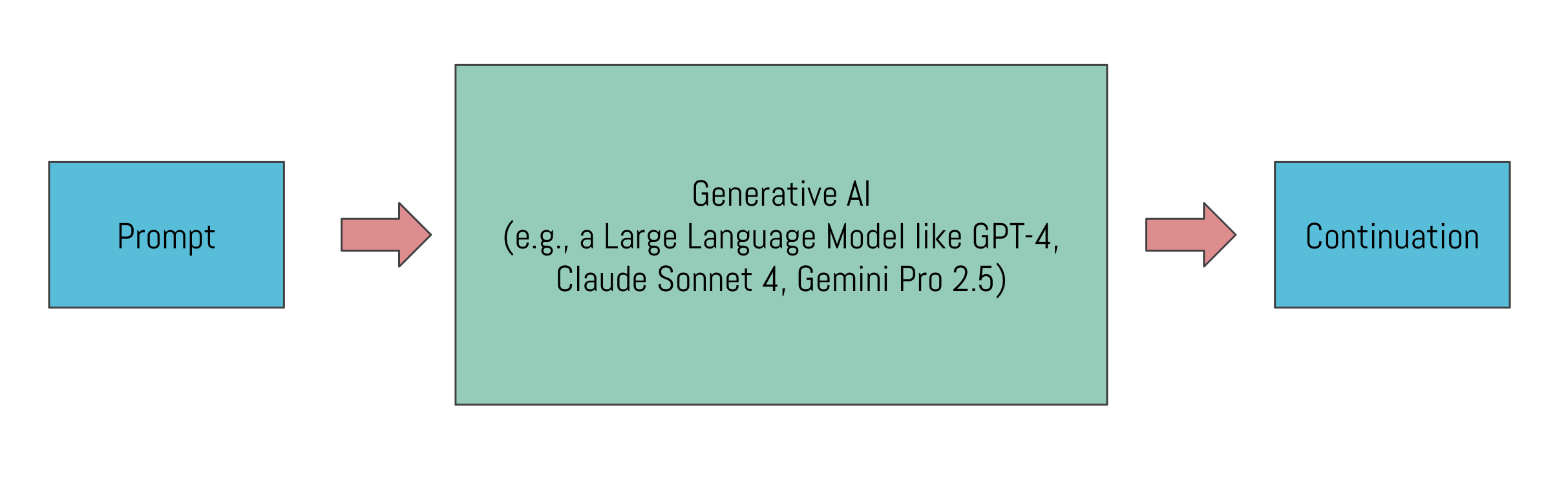
From Brad Delong.
- Flexible — Doesn’t require a specific input. The system can handle a wide variety of inputs (all get mapped to a vector at the end of the day).
- Interpolation — Creating combinations of things already within the data set.
- Function — Has inputs (prompts) and outputs (continuations).
Metaphors for AI abound
We describe generative AI as…
- A stochastic parrot (Bender, Gebru, Mitchell)
- A blurry JPEG of the web (Chiang)
- An amplifier (Srinivas)
- A mirror of human intelligence (Vallor)
- A cultural technology (Gopnik, Farrell)
- A normal technology (Narayanan and Kapoor)
- A brain
- A conscious being
We say that generative AI is…
- Thinking
- Reasoning
- Learning
- Hallucinating
- Ruminating
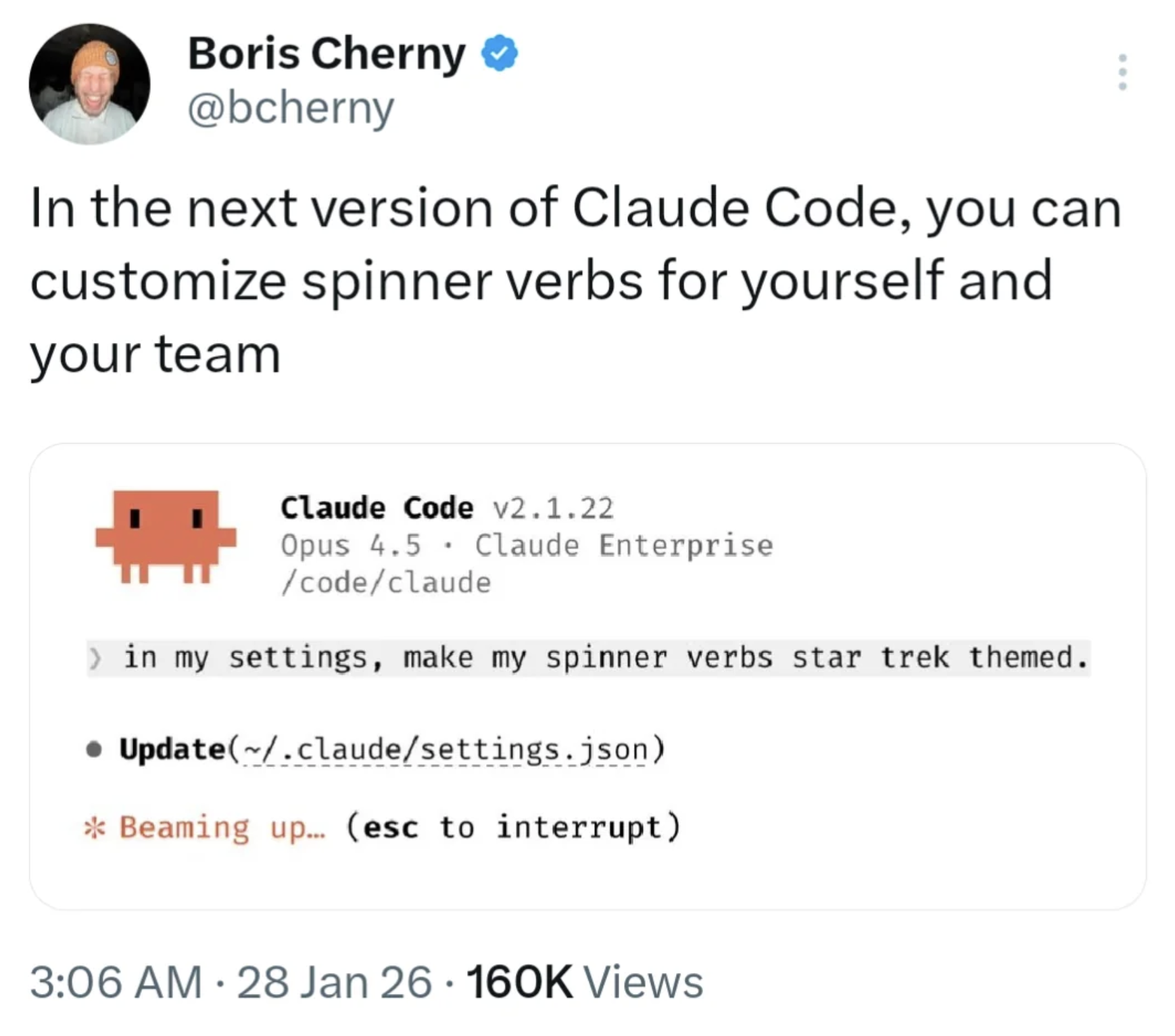
Let’s look closer at a few common metaphors used to describe AI
By mapping them on to similar rhetorical shortcuts from Star Wars.

Metaphors are a wonderful tool for smugglers
- Metaphors are both descriptive and prescriptive.
- Metaphors leverage pre-existing understanding to help us make a mental shortcut.
- They come with off-target effects.

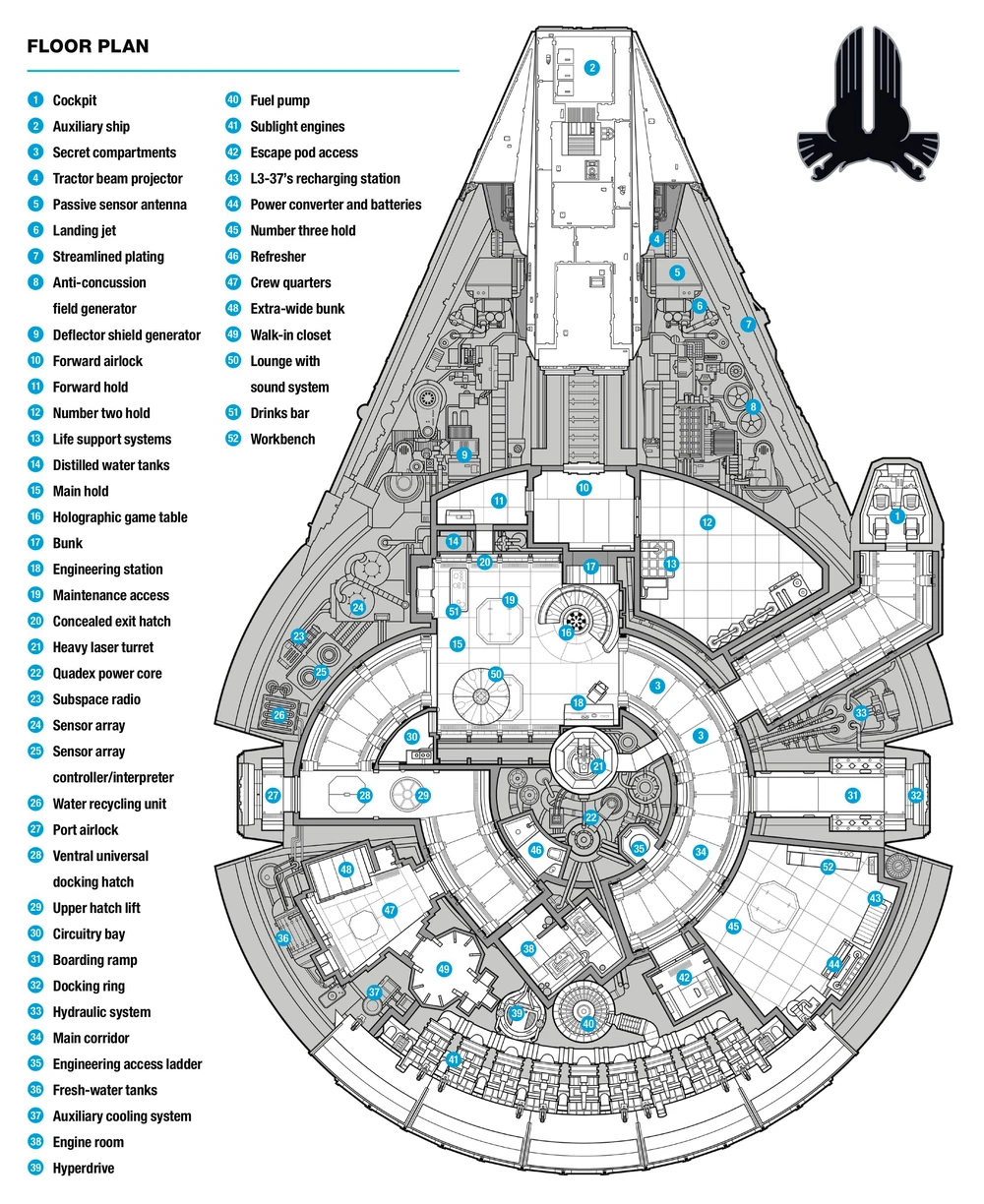
Image credit: Popular Mechanics.
It takes energy to train a human.

What this smuggles:
- Human labor
- Natural resources
- Data
A country of geniuses in a data center.
What this smuggles:
- What exactly is a genius?
- That there is coordination involved (“country”).
- A unit mismatch.
Pay attention to the units.
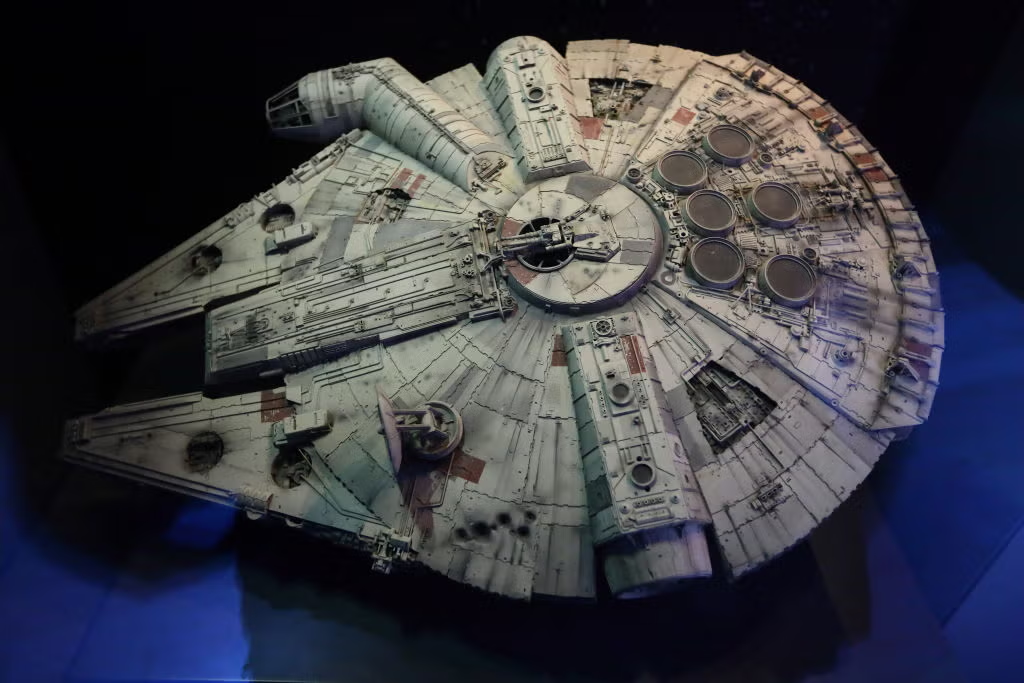
“The ship that made the Kessel Run in less than twelve parsecs”
AI reads and learns like a human

What this smuggles:
- AI is like us.
- The thing we are doing now is not new.

Metaphors are only useful as long as…
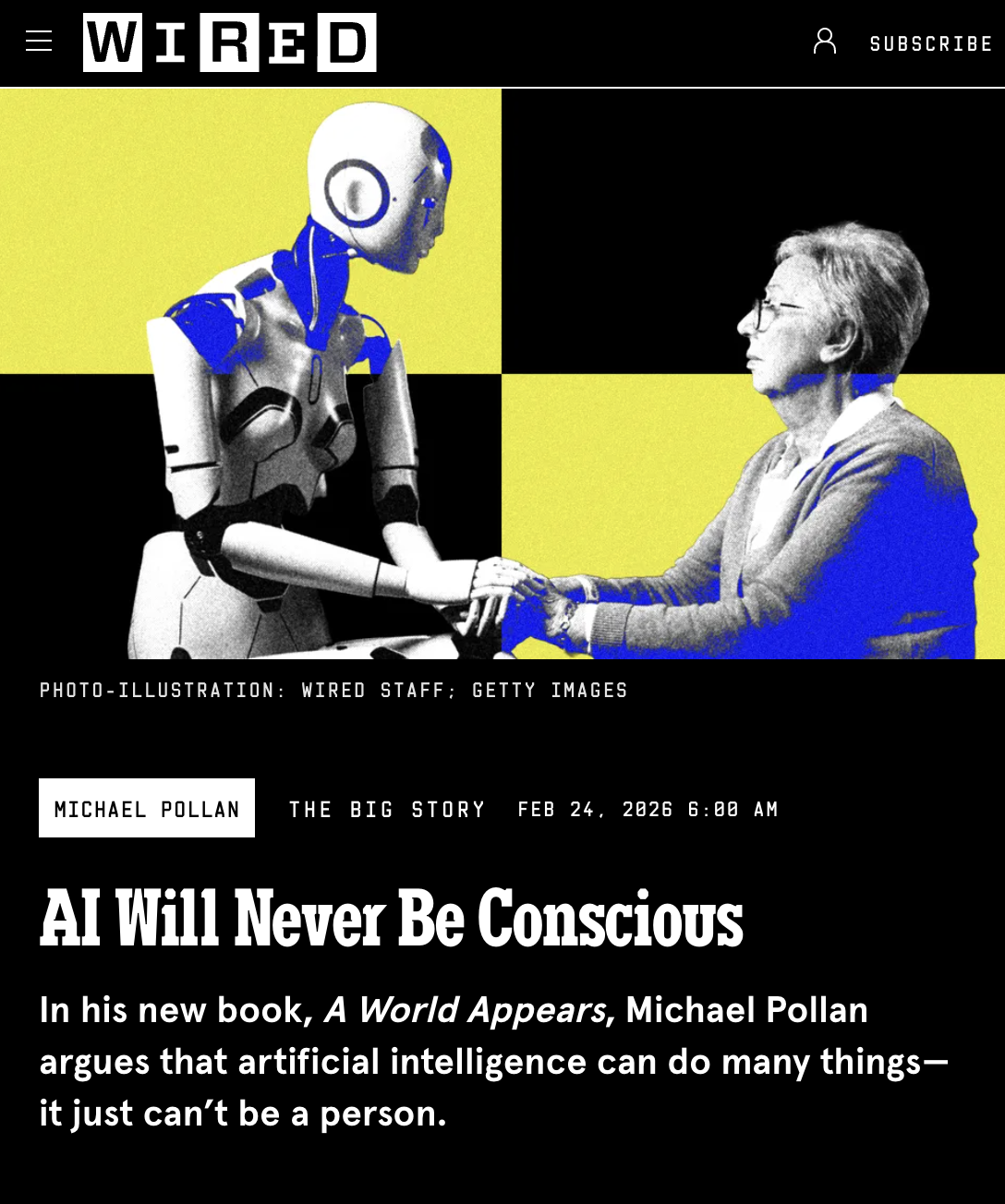
Metaphors can be powerful tools for thinking, but only as long as we don’t forget they are metaphors—imperfect or partial analogies likening one thing to another. The differences between the two things are as important as the similarities, but these differences seem to have gotten lost in the enthusiasm surrounding AI. As cyberneticists Arturo Rosenblueth and Norbert Wiener noted years ago, “The price of metaphor is eternal vigilance.”
Michael Pollan in “AI Will Never Be Conscious” Wired, Feb. 24, 2026
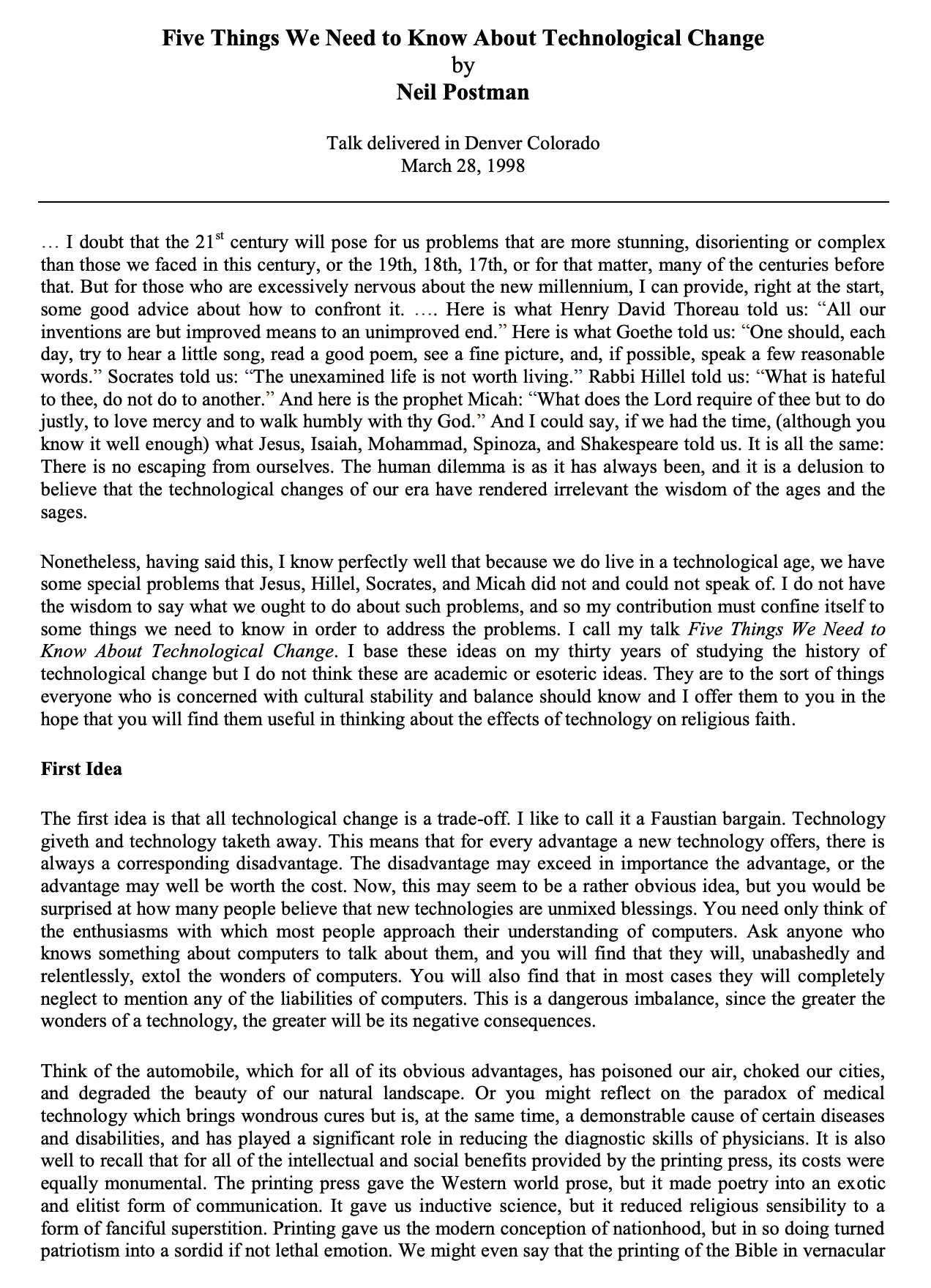
Five things to know about technological change
- Culture always pays a price for technology.
- The advantages and disadvantages of new technologies are never distributed evenly among the population.
- Embedded in every technology there is a powerful idea, sometimes two or three powerful ideas. These ideas are often hidden from our view because they are of a somewhat abstract nature. But this should not be taken to mean that they do not have practical consequences.
- Technological change is not additive; it is ecological.
- Media tend to become mythic.
Please connect!
If you have questions or comments, please reach out!
Email me: [email protected]